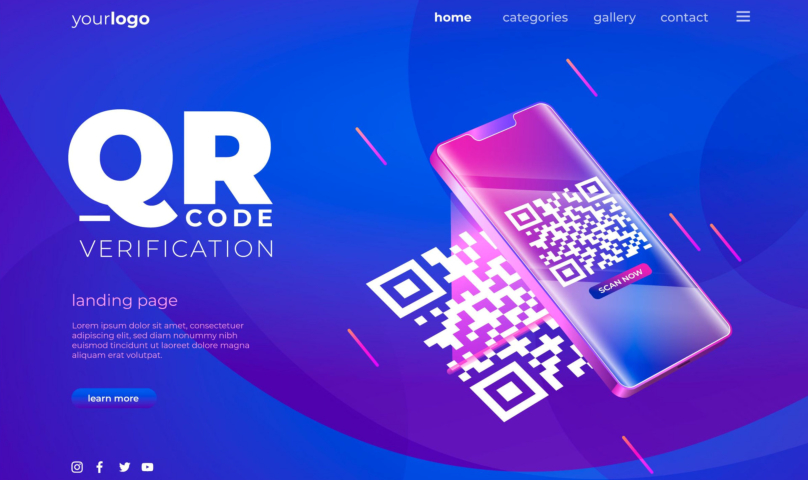
QR codes have become one of the most powerful tools for sharing information quickly and efficiently. In recent years, they have transformed the way professionals exchange contact details and connect with new clients.
A QR code is a type of barcode that can be scanned using a smartphone camera. Once scanned, it instantly directs users to a website, contact page, or digital business card.
When combined with digital VCards, QR codes create a seamless networking experience.
Instead of manually typing contact details or exchanging paper business cards, professionals can simply display their QR code on a phone screen, printed material, or website. Within seconds, the other person can scan the code and access all the contact information they need.
This technology has become especially popular in business events, conferences, and trade shows where people meet many new contacts in a short amount of time.
QR codes also support contactless communication, which has become increasingly important in the modern world. By scanning a code, people can exchange information without physically handing over cards.
Another advantage of QR codes is versatility. They can be placed almost anywhere: business cards, posters, brochures, websites, email signatures, product packaging, or even storefront windows.
For businesses, QR codes also provide opportunities to track engagement. Companies can monitor how often their codes are scanned and understand how customers interact with their digital profiles.
Because smartphones now have built-in QR code scanners, the technology is easier to use than ever before.
As digital networking continues to grow, QR codes are becoming a key tool for professionals who want to share their information quickly, efficiently, and in a modern way.
They are simple, powerful, and perfectly suited for the future of business communication.